


Panama
Panama is a vibrant country where lush tropical rainforests, pristine coastlines, and bustling urban centers intersect to create a uniquely diverse landscape. From the modern skyline of Panama City to the rural and indigenous communities that dot the countryside, this experience will provide participants with a deeper understanding of the social, economic, and environmental challenges facing local communities. Through meaningful service and cultural exchange, participants will gain new perspectives while working alongside community partners to implement practical solutions that support sustainable development.
Our past adventures in Peru




Learn
Hands-on, immersive cultural learning activities in Panama include touring the world-renowned Panama Canal to better understand its global economic and historical significance, as well as exploring the colonial architecture and rich history of Casco Viejo, the historic district of Panama City and a UNESCO World Heritage Site. Participants will engage with local culture by learning traditional Panamanian dance, taking part in cooking classes that introduce them to local cuisine and culinary traditions, and interacting with local students and families through meaningful cultural exchange. These experiences provide participants with a deeper appreciation of Panama’s cultural heritage, history, and traditions while complementing the program’s service and community engagement components.
Serve
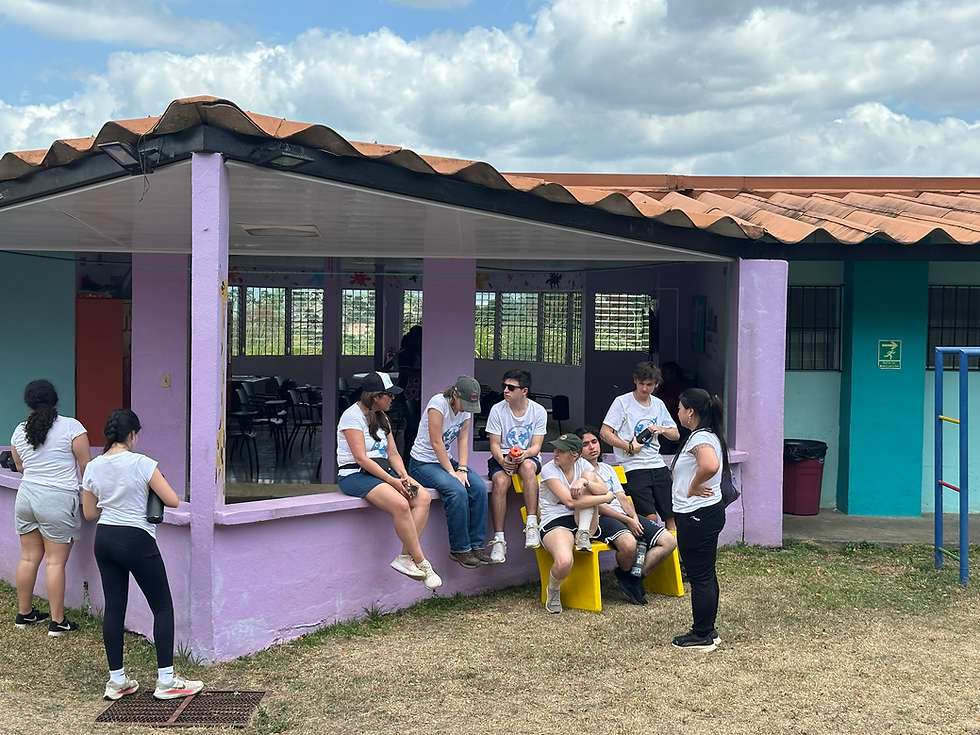
This global service learning program in Panama offers students the opportunity to engage in several meaningful service initiatives while gaining a deeper understanding of the country’s rich cultural and ecological diversity. Participants work alongside local partners at a school serving at-risk youth, contributing to improvements in school and dormitory infrastructure that support a safe and supportive learning environment.
Students will also collaborate with members of the Emberá Indigenous community on conservation efforts that protect the surrounding rainforest and preserve traditional ecological knowledge. Through these activities, participants learn about the importance of environmental stewardship and the role Indigenous communities play in protecting biodiversity.
In addition, the program fosters cross-cultural engagement with local schools, creating opportunities for shared learning, cultural exchange, and relationship building between students. Service activities may include improving school facilities, creating outdoor play areas, building bookshelves, painting classrooms, supporting environmental projects, and participating in educational and cultural exchanges.
Together, these experiences provide students with a new perspective on the social and environmental challenges facing rural communities while allowing them to work collaboratively with local partners to implement practical solutions firsthand.
Lead
Program participants will exit the program having:
-
Demonstrated an understanding of the definition and value of global citizenship
-
Developed awareness of one’s own personal reactions to those from different cultures (personal biases, beliefs, attitudes)
-
Demonstrated knowledge and understanding of local, national and/or global issues and the interconnectedness and interdependency of different countries and populations
-
Developed skills for critical thinking and analysis of global issues
-
Developed a sense of belonging to a common humanity, sharing values and responsibilities, based on human rights
-
Developed familiarity with various cultures / cultural practices of the host country
-
Acted effectively and responsibly at local, national and global levels for a more peaceful and sustainable world